
Professional SMP education, built through real practice.
Learn not only how to perform scalp micropigmentation, but how to assess, plan, adapt and make informed decisions for every client — taught from an active clinical practice.
- Next cohort
- Nov 12–13, 2026
- Class size
- 4 students, live models
- After training
- 6-month mentorship
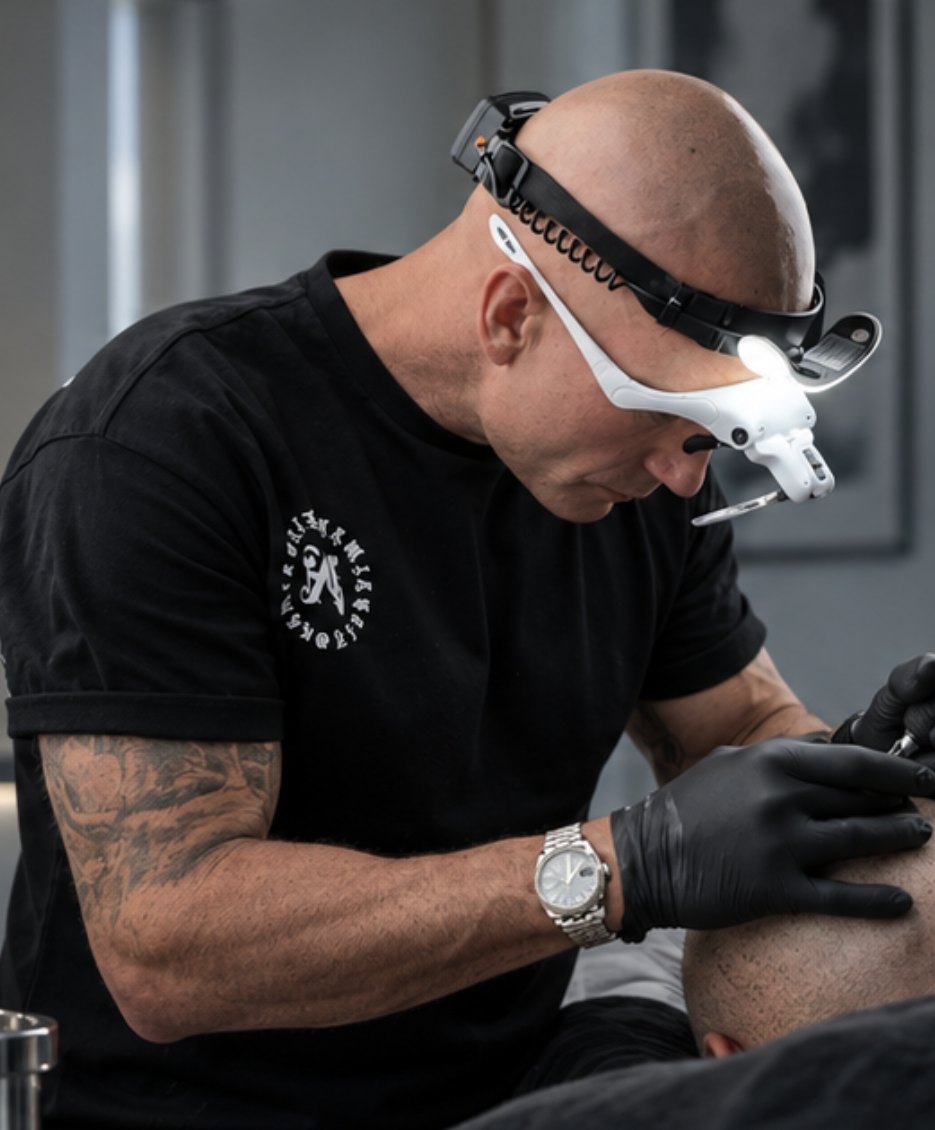
Why Enhanced Pigment
The barrier to entry in scalp micropigmentation is low. The responsibility is not.
A practitioner should understand the skin, healing, pigment, needle selection, pressure, depth, spacing, design, candidate selection, scar tissue, difficult skin, previous SMP — and the long-term consequences of every treatment decision.
This is education built around responsibility, not shortcuts.
-
01
Transparency
Real clients, real photography and healed results. Honest documentation, not filtered fresh work.
-
02
Clinical judgment
No two scalps are identical. Assess skin, hair loss, scars and previous work before deciding how to treat.
-
03
Conservative technique
Natural SMP is built, not rushed — layered and planned around how work heals and ages.
-
04
Integrity
Knowing when not to treat is part of being a professional. Realistic expectations come first.
The standard we teach
Real work. Real healing. Real outcomes.
Every case shown comes from our active Enhanced Scalp practice — the level of planning, restraint and documentation students are trained toward.
These are not student results.
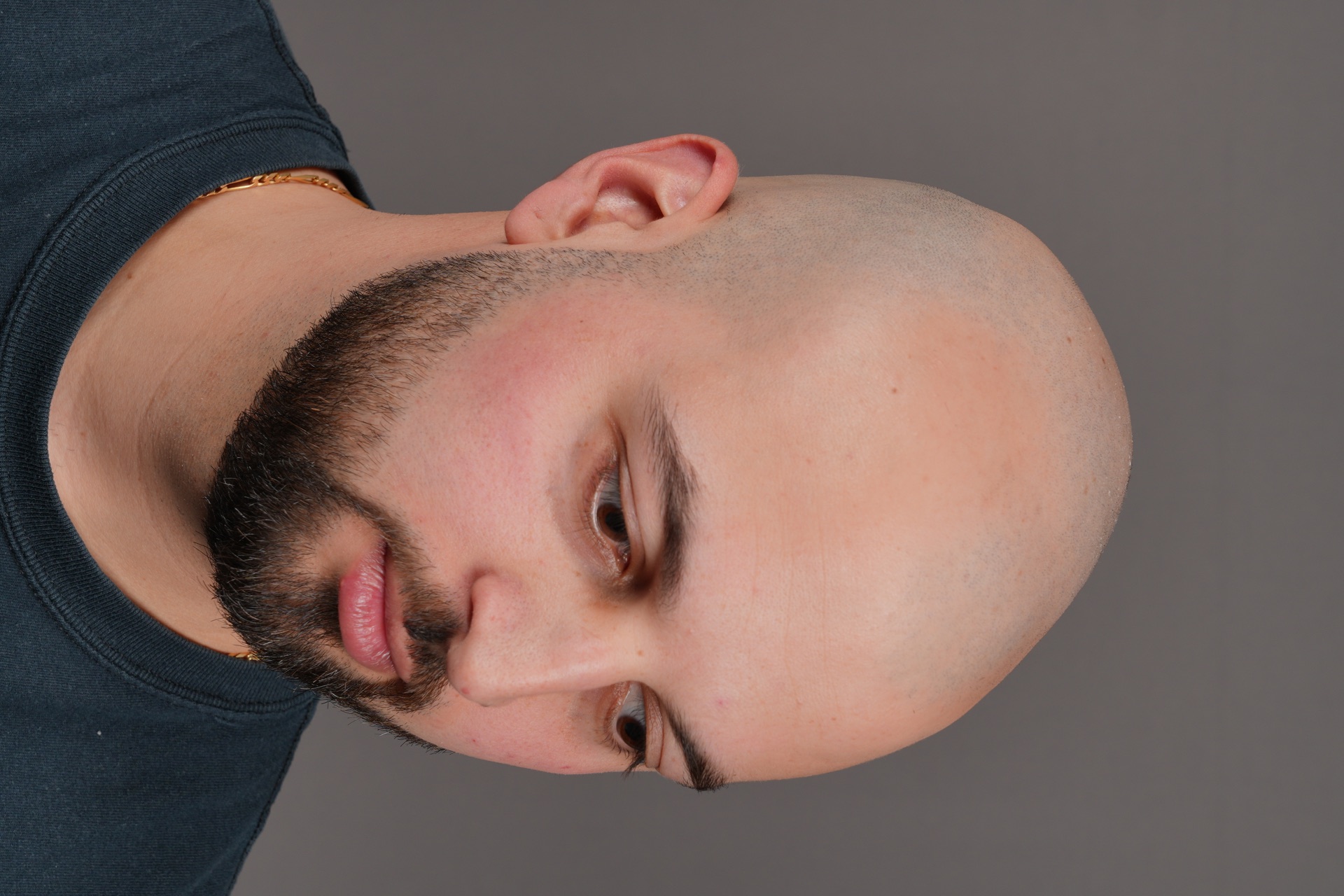
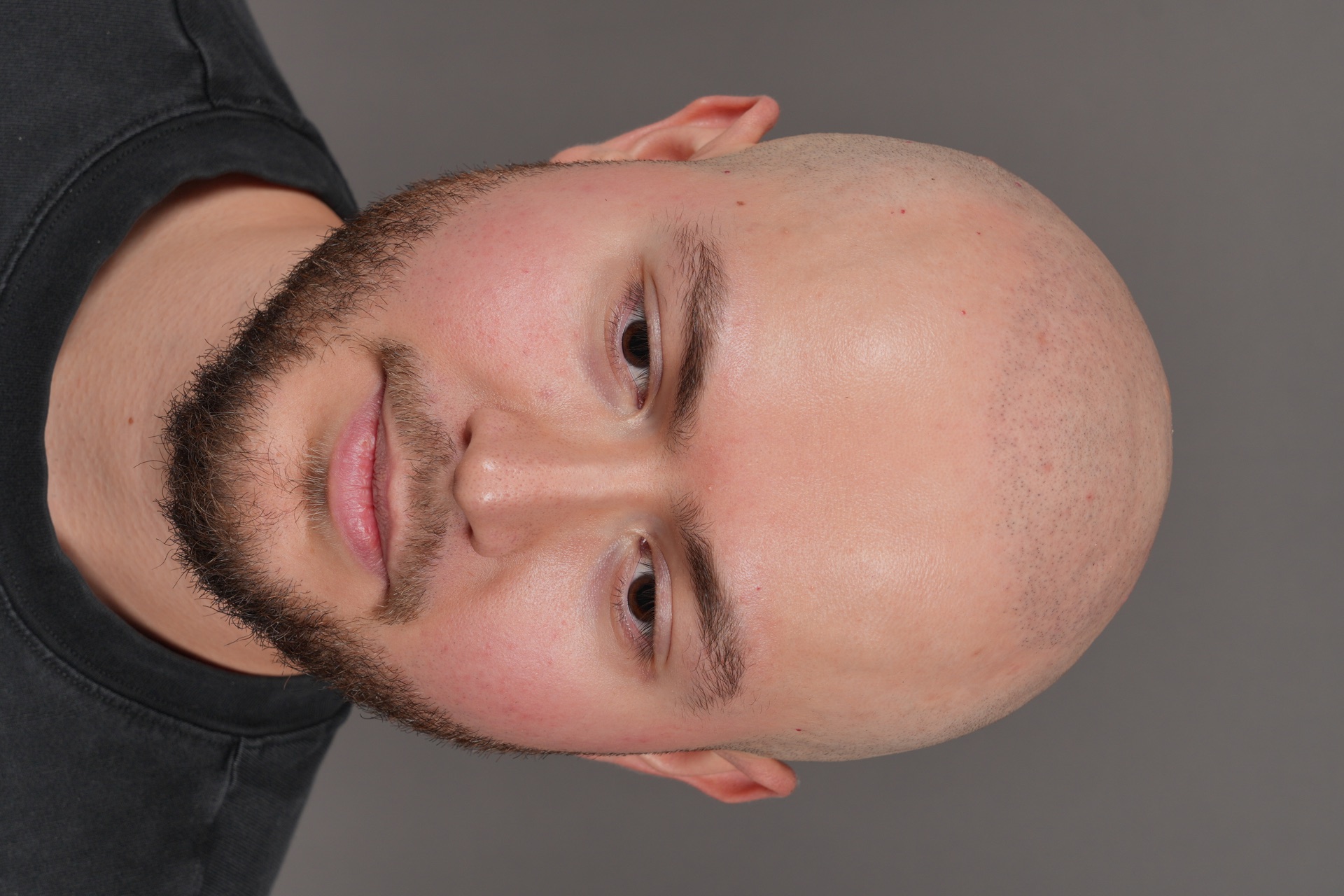
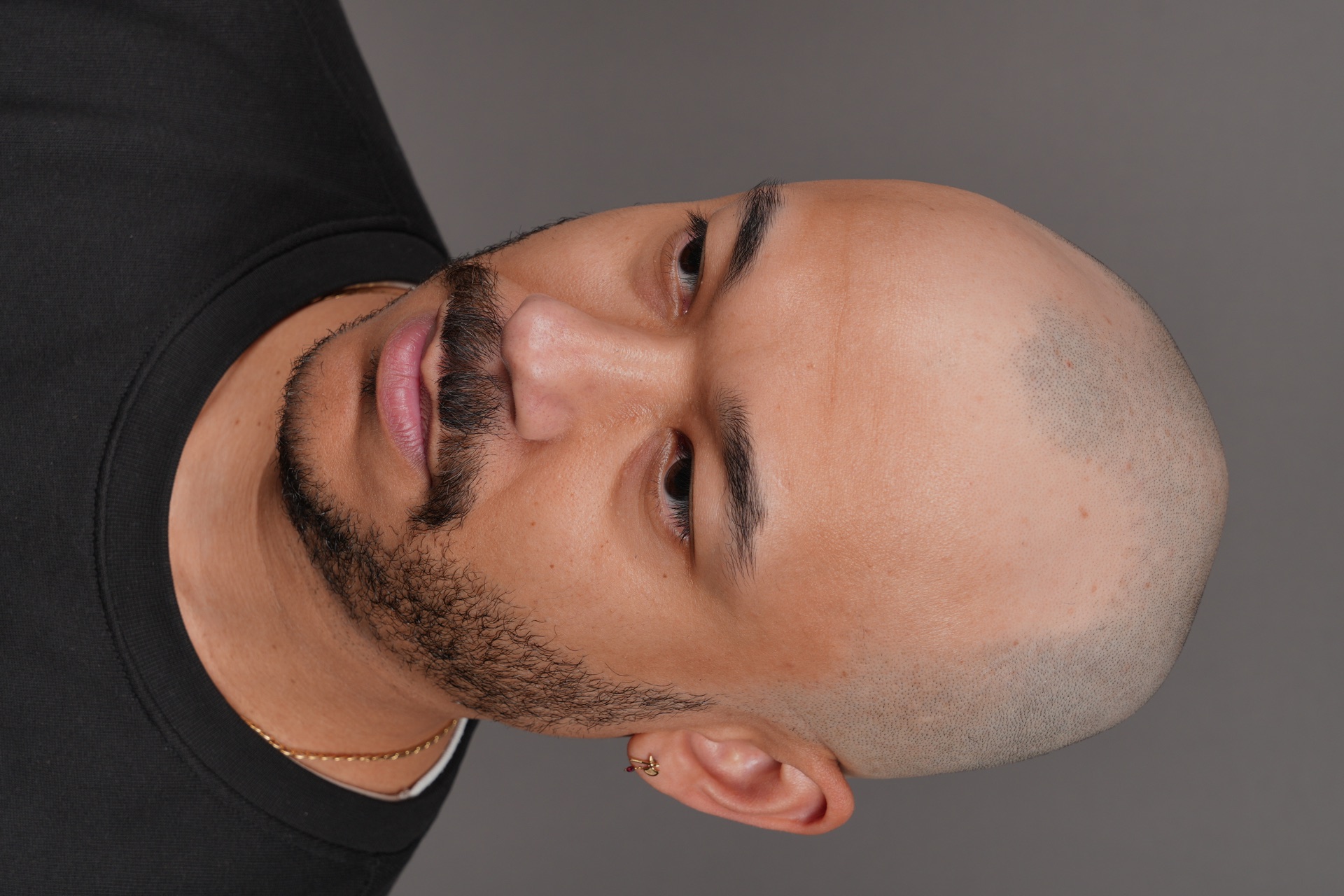
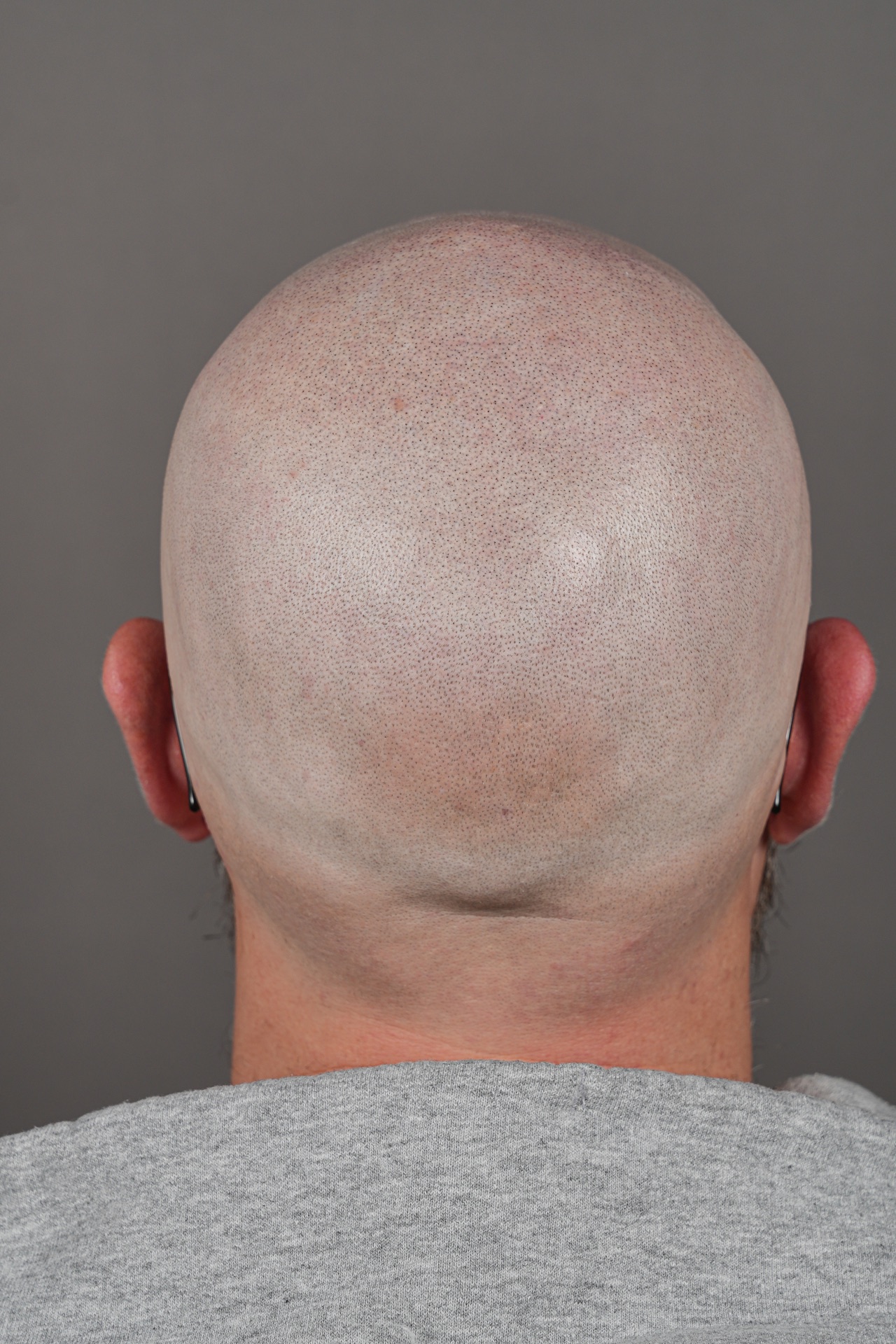
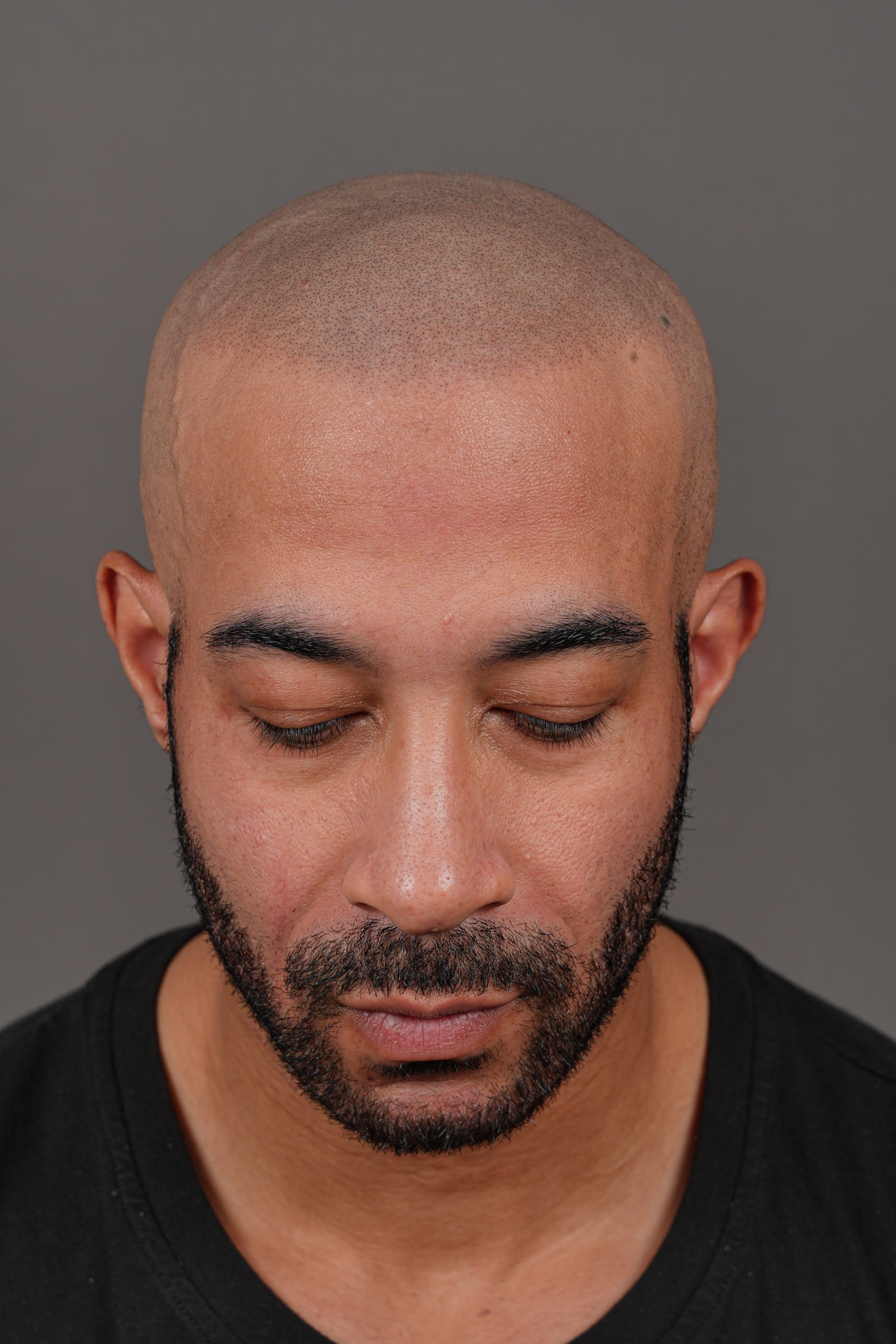
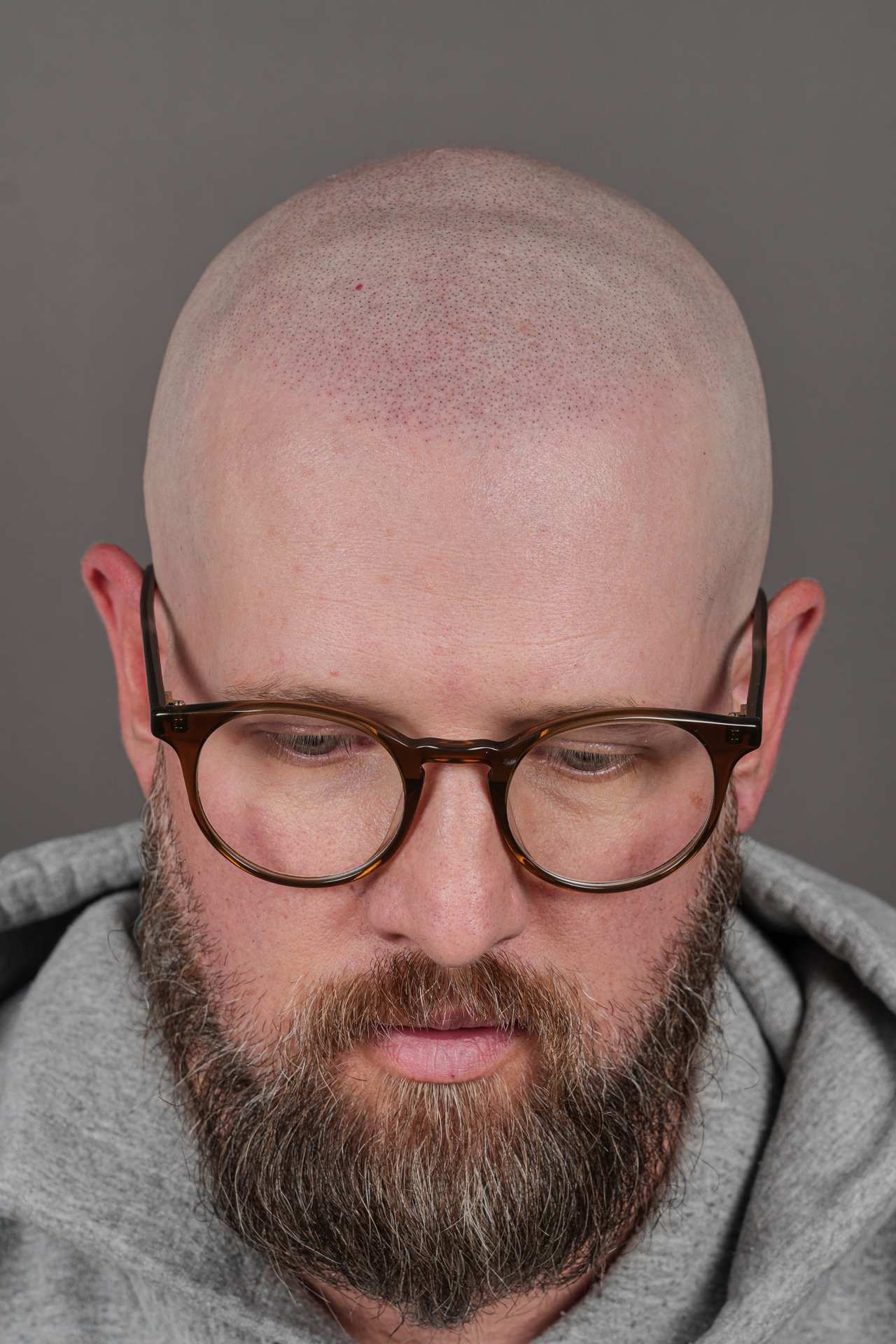
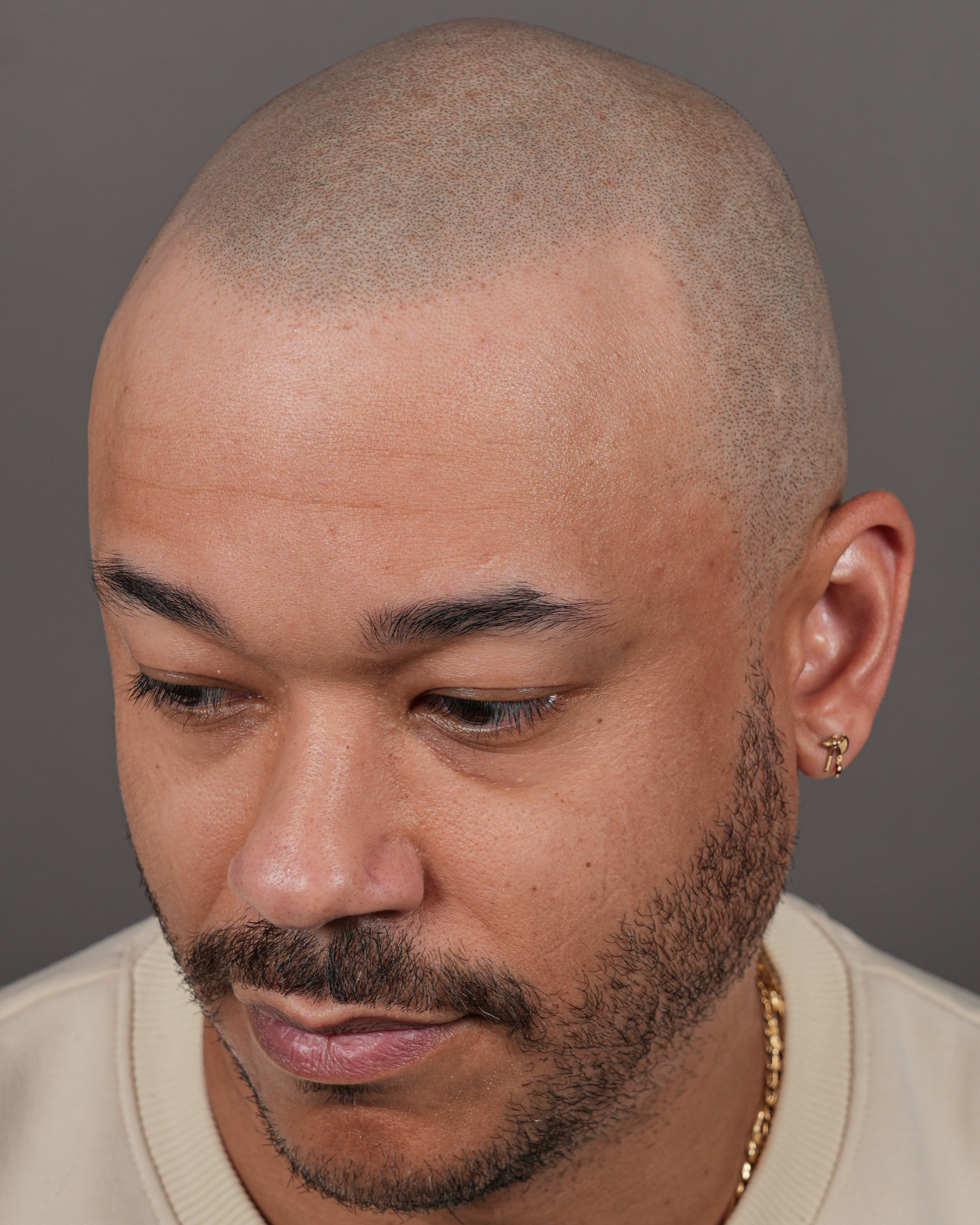
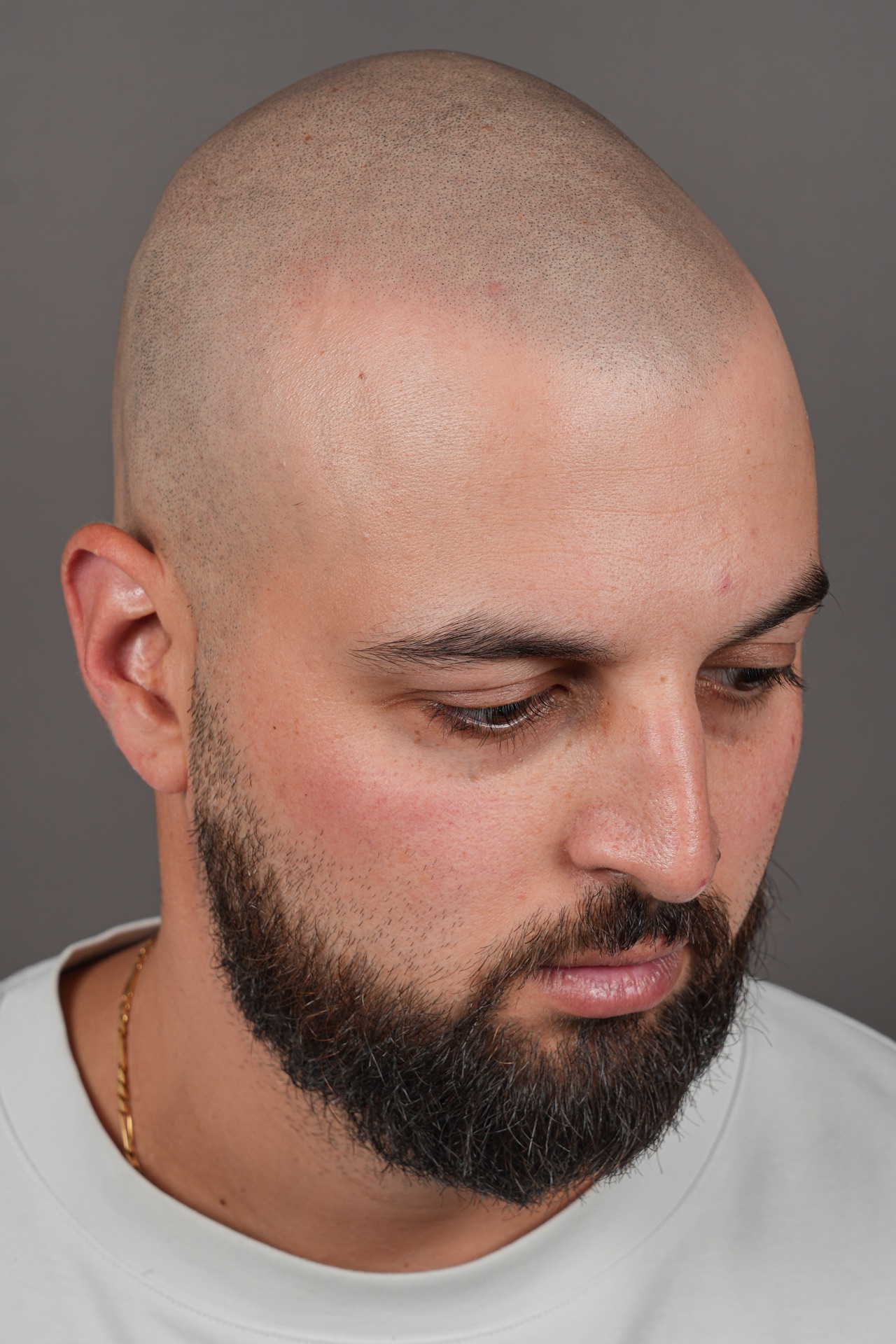
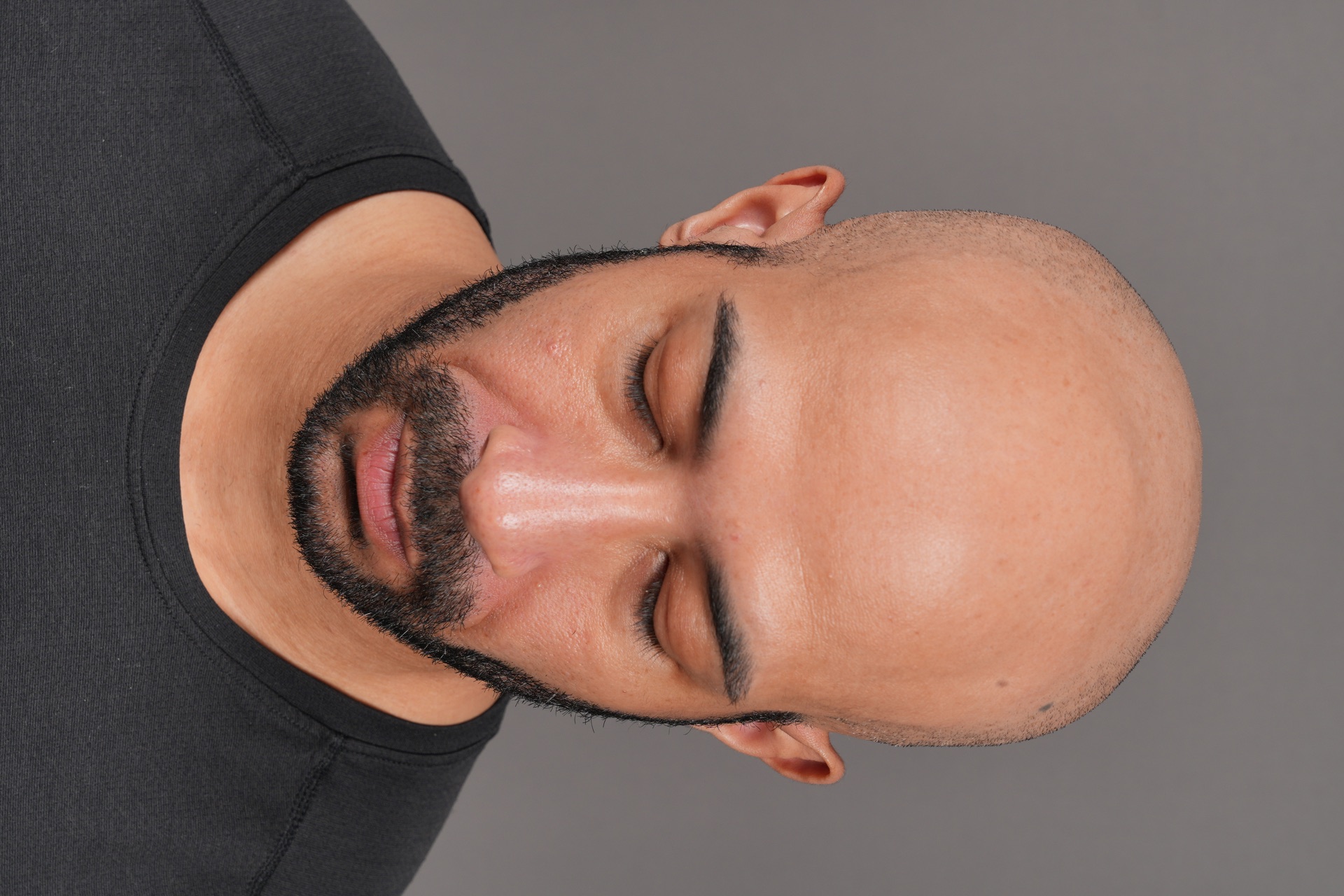
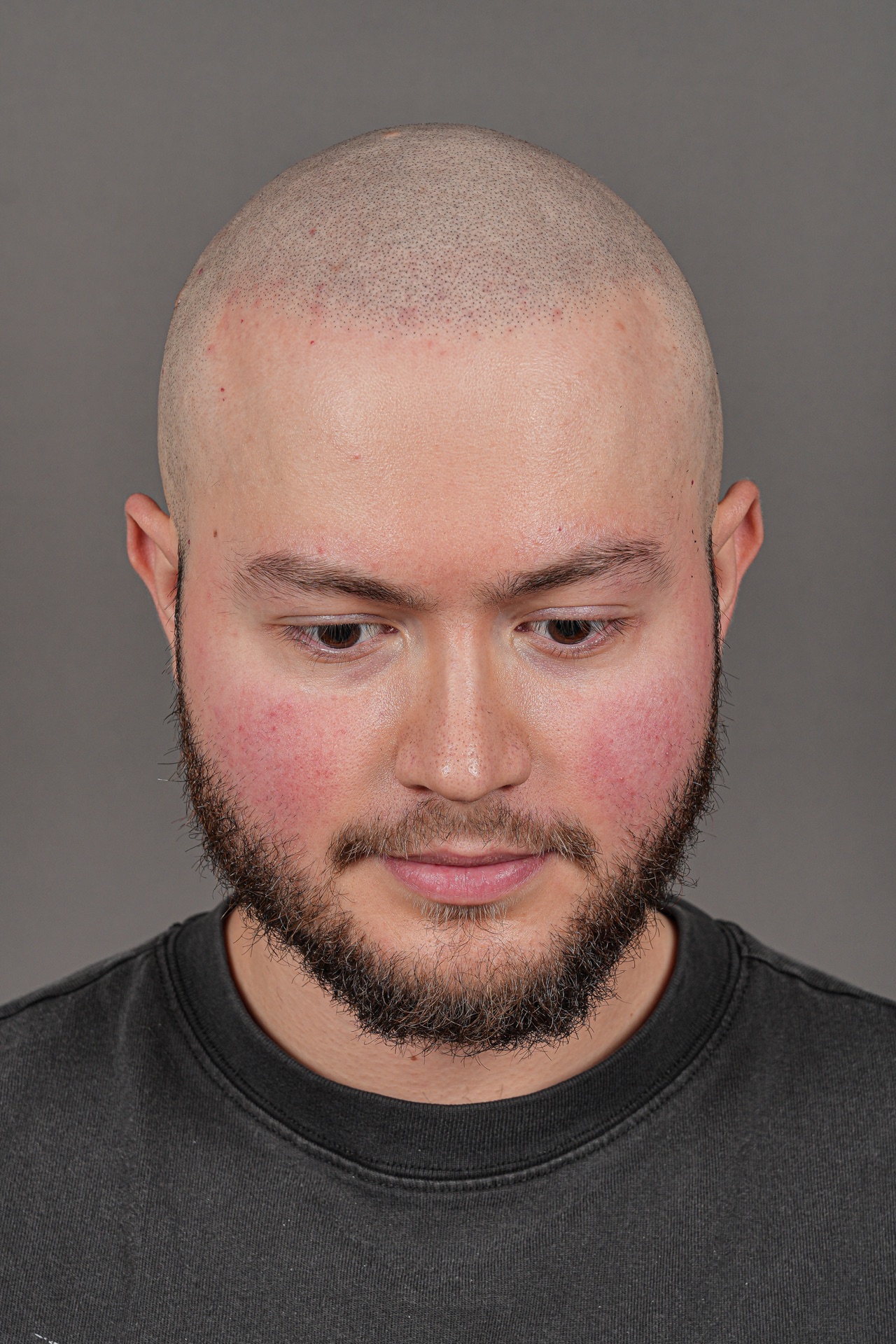
Same backdrop. Same light. No filters, no artificial smoothing, no hiding behind shadows — because fresh SMP is not the final result, and students need to see how work really heals.
Training programs
Choose your training path.
Different students need different levels of practical experience and mentorship. Every path is held to the same standard.
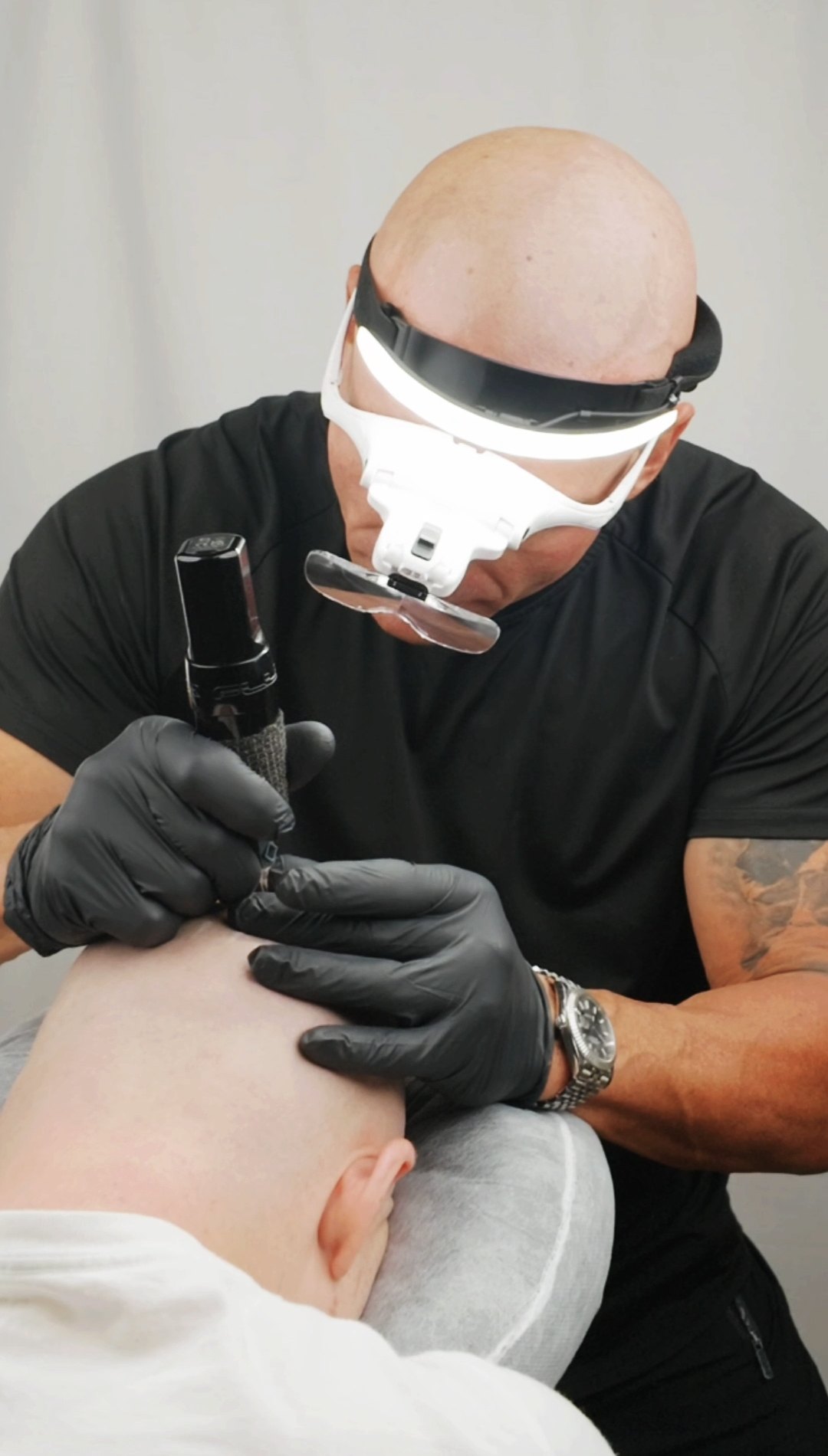
Founder & lead educator
“Students are taught to think like practitioners — not simply follow a sequence of steps.”
The curriculum is shaped by real treatments: natural hairlines, difficult skin, hair transplant scars, corrective SMP, previous laser removal and long-term healed results.
The goal is to teach students to understand what they are seeing, why they are making a decision, and how it may affect the result months or years later.
The curriculum
More than technique.
Theory, clinical reasoning, practical application, treatment planning, troubleshooting, documentation and business fundamentals.
12modules
-
Hair loss patterns, treatment objectives, medical considerations and setting realistic expectations before any procedure begins.
-
Scalp conditions, healing timelines and adapting technique to individual skin characteristics.
-
Setup, maintenance and selecting the appropriate tools for each treatment scenario.
-
Colour behaviour in skin, undertone management and predicting healed results.
-
Design principles that respect age, existing hair and individual goals.
-
Technical execution with an emphasis on consistency and natural patterning.
-
Session planning that prioritises long-term balance over immediate saturation.
-
Modified approaches for challenging skin characteristics and compromised tissue.
-
Scar behaviour, blending strategy and realistic camouflage outcomes.
-
Assessment frameworks for correction, rebuilding or referral pathways.
-
Consistent clinical photography standards for portfolio and client records.
-
Professional positioning without compromising clinical integrity.
The training experience
Real models. Real skin. Real decisions.
Theory matters, but SMP is a practical skill. Demonstrations, exercises and supervised live-model treatment show how technique, skin response and judgment come together.
-
Day 1
Theory and foundations
- SMP fundamentals and skin education
- Equipment, needles and pigment theory
- Hairline design and technique demonstration
- Practical exercises and treatment planning
-
Day 2
Live-model experience
- Supervised live-model application
- Technique refinement and skin response
- Photography, documentation and case discussion
-
Months 1–6
Mentorship
- Questions and treatment decisions as you begin working on your own clients
- Continued professional guidance
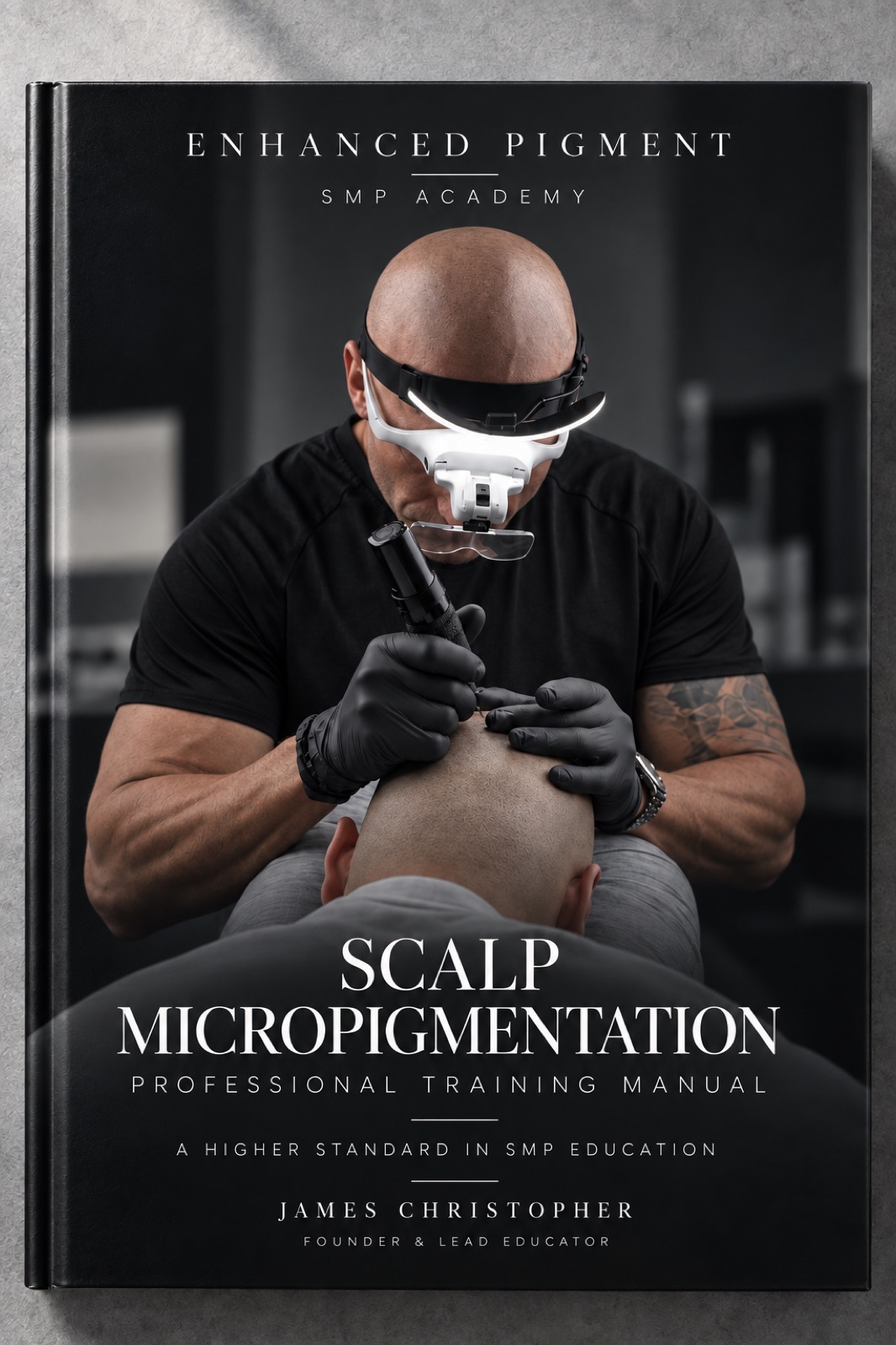
Online education — in development
Professional SMP education, from anywhere.
For students who want structured education before attending Toronto in person — built on the same methodology and standards as our in-person training.
- 01Video lessons and technical demonstrations
- 02Digital training manual and clinical case studies
- 03Knowledge assessments and progress tracking
- 04Certificate, course updates and optional Toronto practical upgrade
Next cohort — Toronto
Nov 12–13 2026
- Program
- SMP Fundamentals
- Format
- 2 days, live models
- Class size
- Maximum 4 students
- Includes
- Manual, certificate, mentorship
If you are going to learn SMP, learn it properly.